

The United States has announced new US sanctions targeting networks it says are contributing to the ongoing conflict in Sudan. The move is part of a broader effort to restrict financial and operational support to armed groups and associated companies believed to be fueling instability in the region.
The US stance on Sudan conflict continues to focus on cutting off resources that sustain violence while encouraging pathways toward peace and humanitarian relief. Officials say the latest measures aim to disrupt financial flows that benefit military-linked and conflict-connected organizations.
Treasury Moves Against War-Fueling Networks
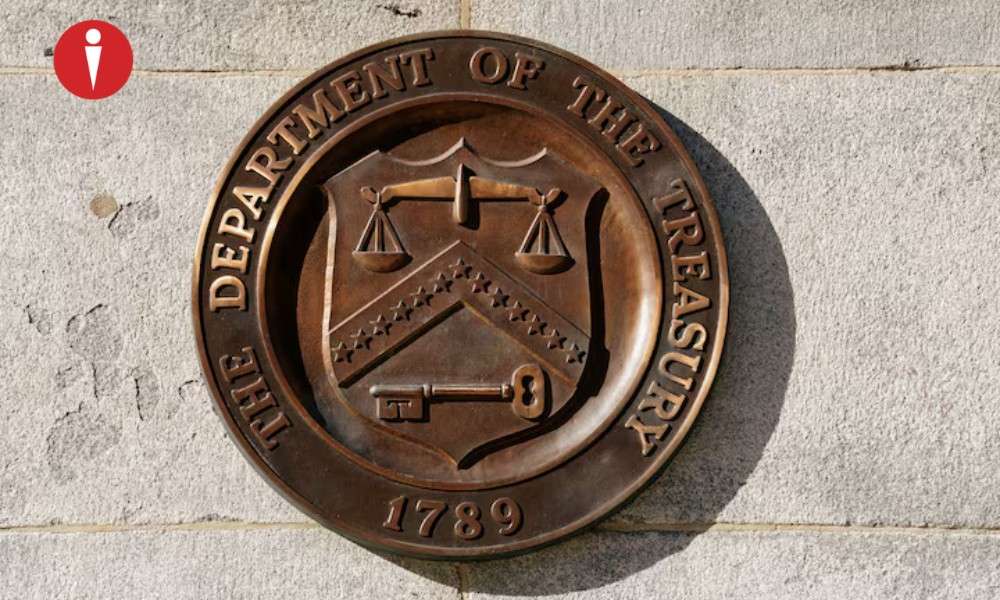
The U.S. Department of the Treasury has expanded sanctions on entities allegedly tied to Sudan’s war economy. According to officials, these include companies and intermediaries connected to armed groups operating within the country.
The action aligns with reports of Treasury sanctions military affiliated companies fueling both sides of the conflict in Sudan, highlighting concerns that commercial networks are indirectly supporting armed operations.
Key objectives of the sanctions include:
- Disrupting financial pipelines linked to armed groups
- Restricting access to international banking systems
- Targeting companies tied to conflict financing
- Preventing external support for military operations
- Increasing pressure for peace negotiations
- US Sanctions Sudanese Companies for Funding Conflict
The latest measures also include actions against specific commercial entities accused of supporting conflict-related activities. Officials said that US sanctions Sudanese companies for funding conflict reflect a targeted approach aimed at limiting the economic capacity of groups involved in violence.
These steps are intended to ensure that businesses contributing to instability face financial restrictions, including:
- Asset freezes under U.S. jurisdiction
- Restrictions on international transactions
- Limitations on access to global markets
- Compliance warnings for foreign financial institutions
- Broader US Policy on Sudan
Washington has repeatedly emphasized that its policy toward Sudan is focused on reducing violence and supporting humanitarian efforts. The US stance on Sudan conflict includes diplomatic engagement alongside economic pressure.
Officials have stated that sanctions are not directed at the Sudanese population but at entities believed to be sustaining the conflict.
Key elements of U.S. policy include:
- Supporting humanitarian aid delivery
- Encouraging ceasefire negotiations
- Pressuring armed actors to reduce hostilities
- Coordinating with international partners
- Monitoring conflict-related financial networks
- Global Sanctions Context
The Sudan-related sanctions come at a time when the United States is also expanding its broader sanctions strategy globally. Discussions around US to target Russia with more sanctions reflect a wider policy approach aimed at using economic measures to respond to international conflicts and security threats.
Analysts say this demonstrates a consistent reliance on financial restrictions as a diplomatic tool in multiple geopolitical situations.
Sanctions Landscape and Regional Impact
The evolving sanctions regime has raised questions about its long-term impact on Sudan’s economy and regional stability. While targeted measures aim to limit conflict financing, they may also affect broader economic activity in the region.
Key implications include:
- Reduced foreign investment in Sudan-linked sectors
- Increased scrutiny of cross-border transactions
- Greater compliance pressure on international banks
- Disruption of informal trade networks
- Heightened economic uncertainty in conflict zones
- Debates Around Sanctions Effectiveness
The international community remains divided on the effectiveness of sanctions in resolving prolonged conflicts. Supporters argue that sanctions US Sudan policies are necessary to isolate actors contributing to violence.
Critics, however, suggest that sanctions may not always produce immediate political change and could complicate humanitarian access in affected regions.
Key points in the debate include:
- Whether sanctions accelerate peace negotiations
- Impact on civilian populations and humanitarian aid
- Effectiveness in disrupting armed group financing
- Long-term influence on political stability
- International Response and Coordination
The United States continues to coordinate with international partners to align sanctions policies and improve enforcement. Cooperation with allied governments is seen as critical to preventing sanctioned entities from accessing alternative financial channels.
Efforts also include:
- Intelligence sharing on financial networks
- Joint sanctions frameworks with allies
- Monitoring global compliance systems
- Strengthening anti-money laundering enforcement
What Lies Ahead
The future of Sudan-related sanctions will depend on developments on the ground, including progress toward ceasefire agreements and political negotiations. Officials have indicated that sanctions may be adjusted based on changes in behavior by targeted entities.
The mention of Sudan US sanctions lifted remains conditional, depending on measurable improvements in peace and stability conditions.
Final Perspective
The latest US sanctions targeting networks fueling the Sudan conflict highlight Washington’s continued reliance on economic tools to address global instability. As diplomatic and financial pressure increases, the focus remains on reducing conflict financing and encouraging a peaceful resolution to one of the world’s most complex crises.
Read full press release: Sanctioning the Networks Fueling Sudan’s War