

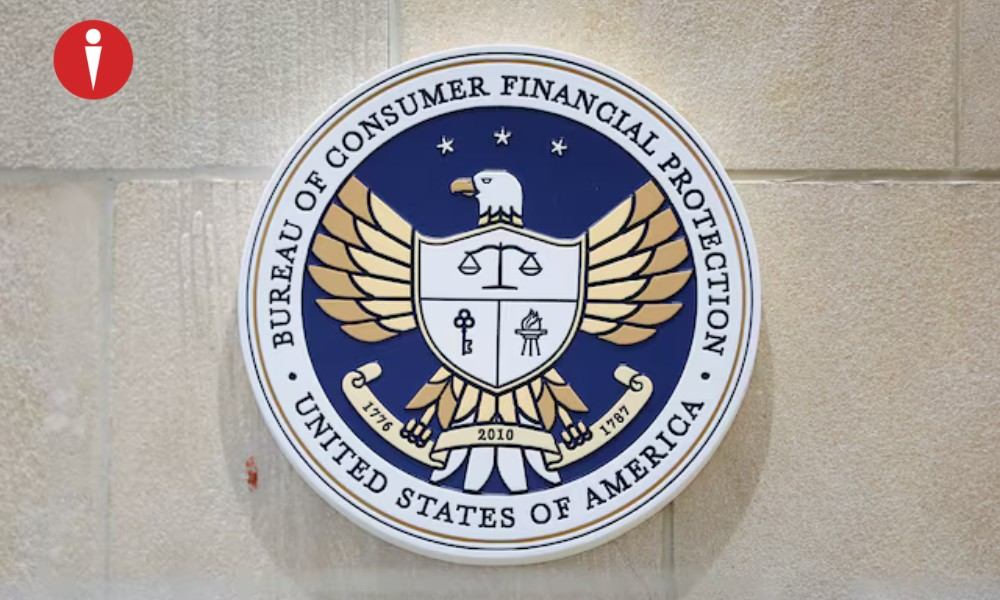
The U.S. consumer protection agency is taking a more cautious approach to examinations as employees face increased pressure and uncertainty, according to people familiar with the matter. The shift has raised questions about how regulators will carry out their oversight responsibilities and protect consumers while operating in a more challenging environment.
The development comes as regulators face scrutiny over enforcement priorities, staffing, and the role of government agencies in monitoring financial companies.
Why Are Consumer Watchdog Examiners Taking a Lighter Approach?
Examiners play an important role in reviewing financial institutions and identifying practices that could harm consumers. Their work can involve examining lending, debt collection, credit reporting, and other financial services.
According to sources cited in the report, some examiners have become more cautious because of pressure and threats surrounding the agency. A lighter approach can mean focusing more closely on the clearest areas of concern rather than pursuing every potential issue with the same level of intensity.
The change matters because examinations are one of the main tools regulators use to identify problems before they become larger consumer issues.
Pressure on the Consumer Protection System
The development highlights challenges facing the wider consumer watchdog system in the United States. Regulators need sufficient independence and resources to investigate companies effectively, while employees also need confidence that they can carry out their responsibilities without inappropriate pressure.
The situation has renewed attention on watchdog authority and how regulatory agencies should use their powers.
A strong regulatory system depends not only on formal authority but also on the ability of examiners and investigators to apply rules consistently.
What Does a Lighter Regulatory Approach Mean?
A lighter approach does not necessarily mean that consumer protection has stopped. Instead, it can involve prioritizing the most significant risks and reducing attention on issues considered less urgent.
For businesses, this could mean fewer examinations or a different style of regulatory engagement. For consumers, however, the effectiveness of the approach will depend on whether serious problems continue to be identified and addressed.
The Role of the US Consumer Movement
The US consumer movement has historically pushed for stronger protections against unfair business practices. Consumer advocates have argued that effective oversight is important for maintaining trust in financial markets and protecting people from harmful practices.
The current shift therefore raises a broader question: how can regulators reduce unnecessary burdens while ensuring that companies remain accountable?
Finding that balance can be particularly important in areas where consumers have limited information or bargaining power.
Why Consumer Oversight Matters
Financial products can be complicated, and consumers may not always understand the risks associated with loans, credit products, fees, or other services. Regulatory examinations can help identify weaknesses in business practices and encourage companies to correct problems.
If oversight becomes too limited, some issues could potentially remain unnoticed for longer. On the other hand, regulators also need to make sure their examinations are focused, consistent, and based on meaningful risks.
Balancing Regulation With Consumer Protection
The latest developments show the difficult environment facing U.S. consumer regulators. Employees must balance enforcement responsibilities with changing expectations and increased pressure.
The key challenge will be maintaining effective consumer protection while ensuring that regulatory resources are directed toward the areas where they can make the greatest difference.
For the consumer watchdog, maintaining public confidence will depend on transparent oversight, consistent enforcement, and the ability to act when consumers face significant harm. The coming months could provide a clearer picture of whether the lighter approach represents a temporary adjustment or a broader change in regulatory policy.
Read our latest interview with Dharmendra Sharma