

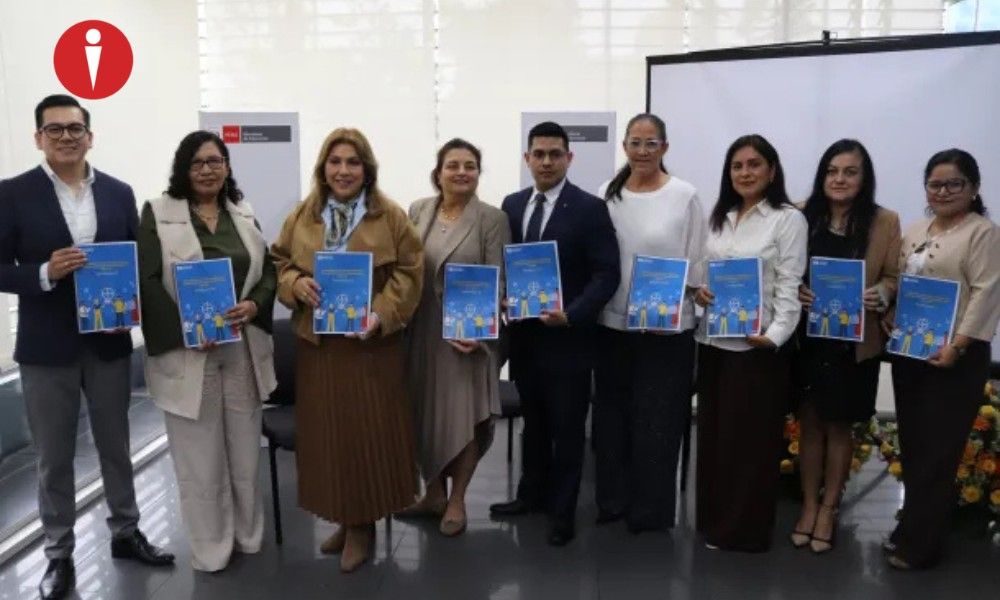
A new UNESCO study is helping shape the future of technical and vocational education in Peru. Developed in collaboration with Peru’s Ministry of Education (MINEDU), the study provides recommendations to improve Technical and Vocational Education and Training (TVET) so that students are better prepared for employment, entrepreneurship, and lifelong learning.
The initiative reflects Peru’s commitment to building an education system that meets the changing needs of today’s workforce. By connecting classroom learning with practical workplace skills, the country aims to create more opportunities for young people while supporting economic development.
Education experts believe that stronger vocational programs can help reduce skills gaps, improve employability, and prepare students for careers in growing industries.
Why the UNESCO Study Matters
The UNESCO study highlights the importance of aligning education with the realities of the modern labor market. As industries continue to evolve, employers increasingly seek graduates with technical knowledge, problem-solving abilities, communication skills, and practical experience.
The report encourages closer cooperation between educational institutions, businesses, and government agencies to ensure students graduate with relevant skills.
Key objectives include:
- Improving the quality of vocational education
- Expanding access to technical training
- Strengthening links between schools and employers
- Supporting lifelong learning opportunities
- Promoting equal access to education
These recommendations aim to help learners transition successfully from education into meaningful careers.
Building Skills for Work and Life
Technical and Vocational Education and Training (TVET) goes beyond preparing students for their first job. It equips learners with practical skills that remain valuable throughout their careers.
According to the study, students should develop:
- Technical and industry-specific knowledge
- Critical thinking and problem-solving skills
- Digital literacy
- Communication and teamwork abilities
- Entrepreneurial thinking
- Adaptability in changing work environments
These skills help graduates remain competitive as industries continue to transform.
Stronger Partnerships Between Education and Industry
One of the report’s major recommendations is increasing collaboration between educational institutions and employers.
Closer partnerships can provide students with:
- Workplace training opportunities
- Apprenticeships
- Industry mentorship
- Practical projects
- Updated learning materials
- Better career guidance
Such collaboration ensures that educational programs reflect real workplace requirements rather than outdated curricula.
Expanding Opportunities Across Peru
The study also focuses on improving educational access for students from different regions of Peru.
Key priorities include:
- Supporting rural communities
- Reducing regional education gaps
- Increasing participation among women
- Providing flexible learning pathways
- Encouraging inclusive education
Expanding access allows more young people to benefit from technical education regardless of their location or background.
The Importance of Lifelong Learning
Modern careers continue to evolve as technology, business practices, and industries change. Because of this, learning cannot stop after graduation.
The UNESCO study encourages education systems to support continuous professional development through:
- Short-term certification programs
- Professional training courses
- Digital learning opportunities
- Skills upgrading
- Career transition programs
Lifelong learning helps workers remain competitive throughout their careers while supporting national economic growth.
Supporting Innovation Through Education
The report also highlights the importance of integrating innovation into technical education.
Educational institutions are encouraged to strengthen programs in areas such as:
- Science
- Technology
- Engineering
- Mathematics (STEM)
- Manufacturing
- Digital technologies
- Green industries
Expanding UNESCO STEM education initiatives can help prepare students for careers in sectors expected to experience significant growth in the coming years.
Benefits for Students and Employers
Improved technical education creates advantages for both learners and businesses.
- For students
- Better employment opportunities
- Practical workplace experience
- Higher confidence
- Career flexibility
- Stronger professional skills
- For employers
- Better-qualified graduates
- Reduced recruitment challenges
- Improved workforce productivity
- Faster onboarding
- Greater innovation capacity
When education reflects industry needs, everyone benefits.
The Road Ahead for Technical Education in Peru
The UNESCO Study Strengthens Technical Education in Peru represents an important step toward creating an education system that prepares students for both employment and lifelong success.
By improving vocational education, encouraging collaboration between schools and industry, promoting STEM learning, and expanding educational access, Peru is working to develop a workforce ready for future challenges and opportunities.
As the recommendations move toward implementation, students, educators, employers, and policymakers will play an essential role in building a stronger technical education system. The initiative demonstrates how investment in practical skills and quality education can contribute to sustainable economic growth, greater workforce participation, and improved opportunities for future generations across Peru.
Read our latest Interview with Renate Schnürch