

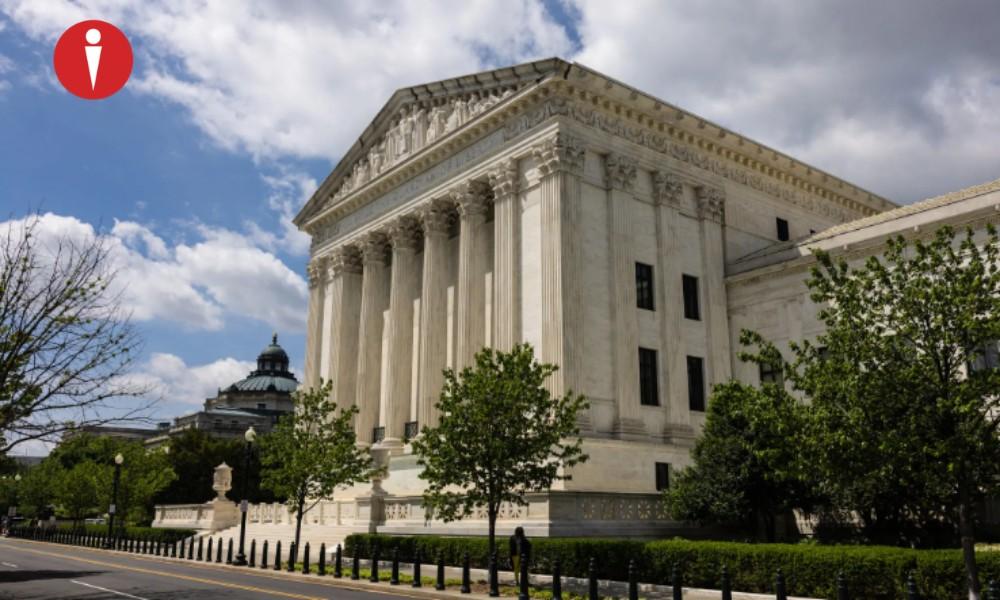
The Trump administration has asked the U.S. Supreme Court to review a lower court ruling that continues legal protections for thousands of Venezuelan migrants living in the United States. The appeal marks another major legal battle over immigration policy and the future of Temporary Protected Status (TPS), a humanitarian program designed to protect people from countries facing extraordinary conditions.
The request asks the nation’s highest court to overturn a previous decision that blocked efforts to end certain protections for Venezuelan nationals. If the Supreme Court agrees to hear the case, its ruling could significantly influence future immigration policies and the legal status of thousands of migrants.
What the Case Is About
The dispute centers on Temporary Protected Status (TPS), a federal program that allows eligible foreign nationals to remain and work legally in the United States when returning to their home country would be unsafe due to armed conflict, natural disasters, or other extraordinary circumstances.
Venezuela has experienced years of political instability, economic hardship, and humanitarian challenges, leading the U.S. government to extend TPS protections to many Venezuelan nationals. These protections have allowed eligible individuals to live and work legally while conditions in their home country remain unstable.
The Trump administration argues that the lower court’s ruling improperly prevented the federal government from making immigration policy decisions. Officials contend that immigration authority belongs to the executive branch and that courts should not interfere with policy decisions regarding TPS.
Lower Court Ruling Prompted Supreme Court Appeal
A federal appeals court previously ruled in favor of maintaining protections for Venezuelan migrants while legal challenges continue. The decision prevented immediate changes to their immigration status and allowed beneficiaries to continue living and working in the United States under existing rules.
The administration has now asked the Supreme Court to review that decision, arguing that the lower court exceeded its authority and created legal uncertainty surrounding immigration enforcement.
The Supreme Court has not yet announced whether it will hear the case. If the justices agree to review it, both sides will present legal arguments before the court issues a final decision.
Why Temporary Protected Status Matters
Temporary Protected Status is one of the most important humanitarian immigration programs in the United States. It provides temporary legal protection from deportation and grants work authorization to eligible individuals whose home countries are experiencing exceptional crises.
TPS does not provide permanent residency or citizenship. Instead, it offers temporary legal status that must be renewed when the U.S. government determines that unsafe conditions continue in the designated country.
For Venezuelan migrants currently covered by TPS, the Supreme Court’s decision could determine whether those protections remain in place or become subject to future policy changes.
Impact on Venezuelan Communities
Thousands of Venezuelan families across the United States closely follow developments involving TPS because the program affects their ability to work, support their families, and remain legally in the country.
Many beneficiaries have established careers, enrolled children in schools, and built communities while living under temporary legal protections. Advocacy organizations argue that ending TPS could create uncertainty for families already affected by the humanitarian crisis in Venezuela.
Supporters of continued protections believe that current conditions in Venezuela remain unsafe for many returning nationals and that humanitarian safeguards should remain available until circumstances improve.
Administration’s Legal Position
The Trump administration maintains that immigration policy decisions, including whether to extend or end TPS designations, fall within the authority of the executive branch. Government lawyers argue that courts should give federal agencies broad discretion when making immigration-related decisions.
Officials also state that judicial intervention may limit the government’s ability to implement immigration policies established by elected leaders.
The Supreme Court’s response to the appeal could clarify how much authority federal courts have when reviewing executive actions related to immigration programs.
Broader Immigration Policy Implications
The case extends beyond Venezuelan migrants and may influence future legal disputes involving Temporary Protected Status and other humanitarian immigration programs.
Legal experts say the outcome could shape how future administrations manage TPS designations, determine eligibility, and respond to legal challenges against immigration policy decisions.
A Supreme Court ruling could also establish important legal guidance regarding the balance of authority between the executive branch and the federal judiciary in immigration matters.
What’s Next in the Legal Process
The Supreme Court will first decide whether to hear the appeal before considering the legal arguments presented by both sides. If the court accepts the case, its decision could have lasting effects on immigration policy and Temporary Protected Status programs in the United States.
For now, Venezuelan migrants covered under existing protections continue to await further legal developments. The outcome of the case will be closely watched by policymakers, immigration advocates, legal experts, and affected communities, as it may influence the future direction of humanitarian immigration protections across the country.
Read our latest Interview with Dr. Mansoor Ali Yusuf Baig