

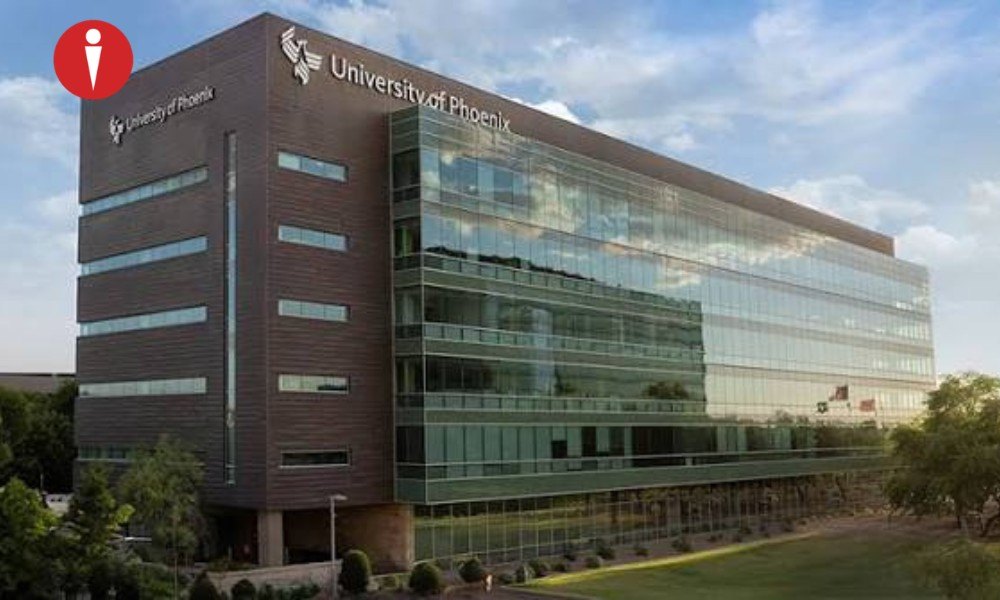
Leaders from the University of Phoenix are sharing their knowledge of learner mobility and credential innovation at Convergence 2026. Their participation focuses on helping students use their existing knowledge, develop new skills and move more easily between education and employment.
As career requirements change, many learners need flexible ways to gain qualifications while balancing work and personal responsibilities. Educational institutions are exploring how to recognise skills gained through previous studies, workplace experience and professional training.
The university’s involvement in Convergence 2026 highlights the importance of creating learning opportunities that reflect students’ needs and help them prepare for changing career paths.
What Is Convergence 2026?
Convergence 2026 is an event focused on credential innovation and developments in higher education. It brings together education professionals to discuss how institutions can improve the way qualifications are designed, awarded and recognised.
The event provides a platform for university representatives to exchange ideas about student progress, professional skills and flexible learning options. Discussions also explore how educational institutions can make qualifications more relevant to employers and working professionals.
For those following the phoenix convergence event, these topics offer insight into how higher education is responding to changing student and workforce expectations.
University Leaders Focus on Learner Mobility
Marc Booker, vice provost of Strategy, and Cate Tolnai, director of Microcredentials and Innovation Credential Strategy, represented the University of Phoenix at the event.
Their presentation, titled Connecting Value Chains for Mobility: CPL to Skills to Microcredentials, examined how prior learning, practical skills and smaller qualifications can work together to support student progress.
The session explored ways institutions can recognise knowledge that learners have already gained instead of requiring them to repeat similar coursework. This approach can be particularly useful for working adults and people returning to education.
The university’s contribution also connects with broader conversations taking place at education events and leadership gatherings across the country.
Why Credential Innovation Matters
Traditional degrees remain valuable, but they are not the only way people develop professional knowledge. Employees also gain skills through workplace experience, industry training and short courses.
Microcredentials can help learners demonstrate specific abilities without completing an entire degree programme. When employers understand what these qualifications represent, they can use them to assess relevant skills during recruitment and career development.
For universities, recognising previous learning may help reduce unnecessary repetition and give students more flexibility in reaching their goals.
These developments are increasingly relevant to discussions at a university leaders conference, where education professionals consider ways to improve student experiences and career outcomes.
Connecting Education With Career Opportunities
Flexible learning pathways can benefit students who want to advance in their current roles, change industries or return to education after several years away. By connecting qualifications with practical skills, institutions can help learners communicate their experience more clearly.
The discussions at Convergence 2026 highlight the value of cooperation between universities, employers and professional organisations. Their shared efforts can help make learning more accessible and qualifications easier to understand.
Building Flexible Pathways for Future Learners
The University of Phoenix’s participation at Convergence 2026 reflects the growing importance of learner mobility and credential innovation. Recognising previous learning and practical skills can help students make better use of their experience while pursuing further education.
As universities continue to develop flexible programmes, collaboration with employers and other education providers will be important in creating learning pathways that support career development and lifelong learning.
Read our latest interview with Dr. Ko-Cheng Fang