

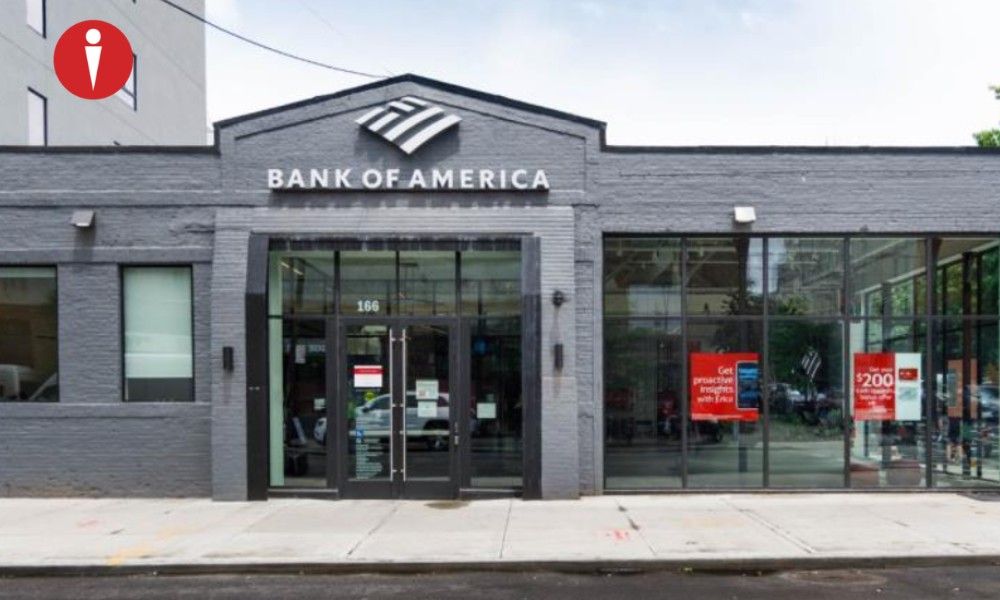
Six major banks have agreed to pay a combined $86.4 million to settle a long-running lawsuit in Manhattan over allegations that they worked together to manipulate the market for Mexican government bonds. The settlement brings attention to competition in financial markets and adds another major case to the growing body of U.S. legal news involving large financial institutions.
Six Banks Agree to Settlement
The banks involved are Bank of America, Banco Santander, BBVA, Citigroup, Deutsche Bank and HSBC. Investors accused the banks and their Mexican affiliates of coordinating their activities in the Mexican government bond market.
The lawsuit was filed in Manhattan and raised antitrust concerns over whether the banks’ actions affected fair competition and bond prices. The banks agreed to the settlement without admitting wrongdoing.
What the Lawsuit Was About
The case centered on allegations that the banks colluded to manipulate trading in Mexican government bonds. Investors claimed that the alleged conduct interfered with normal market competition and potentially affected the prices at which bonds were bought and sold.
This type of case is an important example of how investors can use U.S. courts to challenge alleged anticompetitive conduct in financial markets. It also shows why law examples involving financial institutions often receive close attention from investors, regulators and legal professionals.
Earlier court filings show that litigation involving Mexican government bonds has included antitrust and state-law claims against several financial institutions.
Why the $86.4 Million Settlement Matters
The $86.4 million agreement resolves claims brought by investors against the participating banks. Settlements in large financial lawsuits can provide compensation to eligible claimants while avoiding the uncertainty, cost and length of a full trial.
For people following lawsuit developments, the case is also a reminder that financial-market disputes can continue for years before reaching a settlement.
The case may also draw interest from readers searching for information about unclaimed money class action settlements, although eligibility and payment arrangements depend on the specific settlement terms and court approval.
A Wider Look at Financial Legal Cases
Large banking disputes are frequently handled by major legal practices, including firms that appear in complex antitrust and securities litigation. Readers researching the legal sector, law firms and major cases can see how these disputes involve detailed financial records, market activity and competition rules.
The case also highlights the role of Manhattan’s federal courts in handling major commercial and antitrust disputes involving international financial institutions.
What Happens Next
The settlement provides a resolution to the claims covered by the agreement, but the broader legal picture surrounding financial-market conduct remains important. Investors and financial institutions continue to face scrutiny when trading practices raise questions about competition and market fairness.
For anyone following U.S. legal news, the settlement offers a clear example of how a large financial lawsuit can move from allegations to a multimillion-dollar resolution.
Key Takeaway
The $86.4 million Mexican bond rigging settlement marks a significant development in a long-running Manhattan lawsuit involving six major banks. While the banks did not admit wrongdoing, the agreement resolves investors’ claims and highlights the continuing importance of antitrust rules in global financial markets.
Read our latest interview with Dr. Mansoor Ali Yusuf Baig