

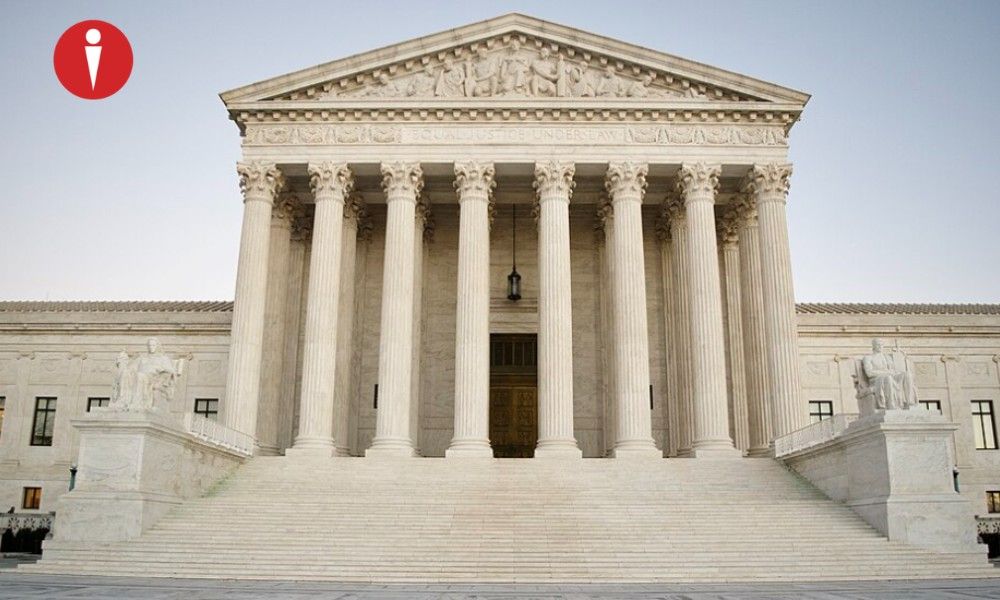
As courts, including the Supreme Court, offer their opinions on former President Donald Trump’s immigration policies, the discussion about immigration policy in the US has drastically changed. Legal scrutiny continues to influence the public discourse on migration, from efforts to remove protections for certain migrant groups to laws permitting quick deportations to third countries. For updates on ongoing litigation, many are looking to the Supreme Court’s decision to postpone Trump’s attempt to remove safeguards for migrants and the US Appeals Court’s lifting of the ban on Trump’s policy for swift deportations from third countries.
Supreme Court Deferral: Important Consequences
Trump’s attempt to revoke immigration protections under earlier executive orders was just postponed by the Supreme Court. By doing this, the status quo is momentarily preserved, enabling current safeguards to continue while the Court considers the legal reasons. The deferral, according to analysts, shows the judiciary’s cautious approach to significant policy changes with far-reaching humanitarian implications.
Policymakers and the general public are both concerned about the timing and consequences of any future decisions as a result of this deferral. Due to the potential impact on millions of migrants now enrolled in U.S. protection programs, people seeking for today’s Supreme Court Trump rule and Supreme Court immigration decision are keenly monitoring developments.
Quick Deportations from Third Countries: Appeals Court Ruling
A U.S. appeals court recently lifted a hold on Trump-era policy for quick deportations to third nations in a parallel legal development. Formally referred to as a court of appeals deportation case, this ruling expedites the removal process for specific immigrant groups, so reducing their chances of staying in the United States under asylum or humanitarian grounds.
Although contentious, legal experts point out that this technique fits with Trump’s larger immigration plan, which emphasizes tougher border security and quicker deportation case processing. Advocacy groups and international human rights organizations have scrutinized this policy change, highlighting the importance of court control in immigration proceedings.
Debate on Birthright Citizenship
The ongoing controversy over birthright citizenship is another hot spot in the immigration landscape, with the Supreme Court’s possible involvement garnering national attention. To comprehend the legal justification for prospective policy changes, both supporters and opponents are examining papers like the Supreme Court’s birthright citizenship decision pdf. The controversial topic of birthright citizenship has the potential to alter citizenship eligibility for children born in the United States to non-citizen parents.
This conversation focuses on the wider ramifications of Trump’s immigration policy, which aims to restrict automatic citizenship and change the laws controlling citizenship and residency rights.
Trump Immigration News: Political and Policy Repercussions
The confluence of legal, political, and societal dynamics is reflected in the larger Trump immigration news narrative. The administration’s tactics, including policy directives and executive orders, have frequently encountered legal difficulties. As courts assess the constitutionality and humanitarian implications of swift policy changes, the Barbara v. Trump case and associated litigation highlight the high stakes.
Observers point out that the course of U.S. immigration policy will be influenced for years to come by ongoing judicial judgments, particularly those made by the Supreme judicial and appellate courts.
What This Signifies for the Public and Migrants
These legislative reforms raise questions for migrants but also highlight the significance of activism and legal protections. Court decisions provide the American public with a glimpse into how the country strikes a balance between humanitarian considerations, border security, and the rule of law. For an informed conversation, it is essential to comprehend the ramifications of each case, including birthright citizenship disputes and swift deportation practices.
Since each ruling has the potential to have a substantial influence on immigration enforcement and migrant rights nationwide, travelers, legislators, and legal experts are keeping a careful eye on developments.
The Immigration Strategy’s Legal Maze
The intricacy of American immigration law is highlighted by the Supreme Court’s involvement with Trump’s immigration plans. The judiciary has an important role in mediating between presidential objectives and legal limits, from delaying important decisions to permitting expedited deportation operations. Both the general public and immigrant groups are keeping a close eye on court decisions that have the potential to completely change American immigration policy.
Read our Latest interview with Renate Schnürch