

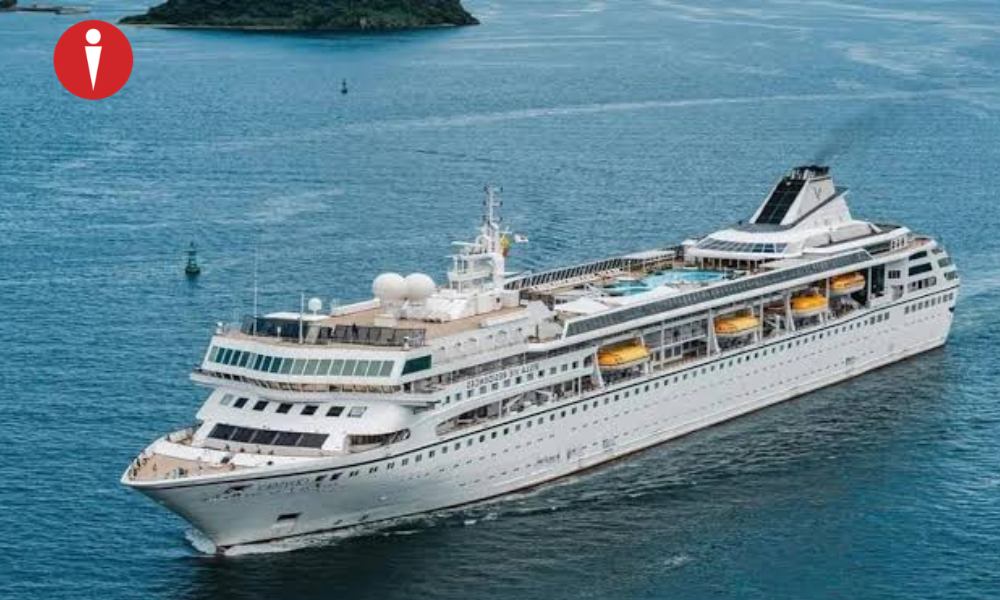
Passengers aboard the residential cruise ship Villa Vie Odyssey have faced unexpected disruption in Cambodia after the company suspended its voyage amid rising fuel expenses. The ship, operated by Villa Vie Residences, was travelling on an extended global journey when the company announced the suspension in October 2026. The decision left residents facing uncertainty about their accommodation and future travel plans. The situation highlights the financial pressure that increasing fuel prices can place on cruise operators, particularly those offering long-term residential travel experiences.
Why Were Passengers Stranded in Cambodia?
Rising fuel costs were a major factor behind the suspension. Operating a cruise ship requires substantial spending on fuel, maintenance, staffing, and onboard services. When fuel prices increase significantly, keeping a vessel moving according to its original schedule can become more expensive than expected.
Villa Vie Residences reportedly explored ways to control expenses, including reducing sailing speeds and spending more time in port. However, these measures did not sufficiently address the increase in operating costs.
Passing all the additional expenses on to residents was also considered difficult. The company therefore paused operations while exploring possible financial restructuring and new investment options.
Villa Vie Odyssey’s Global Journey Faces Disruption
Villa Vie Odyssey is a residential cruise ship designed for people who want to live aboard while visiting destinations around the world. Through Villa Vie Residences, customers can access long-term accommodation and travel arrangements rather than booking a conventional short cruise.
The vessel began its global journey in 2024 and visited destinations across several regions. Its itinerary was designed to provide residents with an extended travel experience while maintaining their homes onboard.
However, the suspension in Cambodia interrupted those plans. For passengers who had chosen the ship as their long-term residence, the disruption created additional concerns beyond a delayed holiday, including accommodation, onward transportation, and the status of their arrangements with the company.
What Does the Suspension Mean for Passengers?
The immediate challenge is helping residents understand their options while the company reviews its financial position. Passengers may need to make separate arrangements for accommodation and onward travel while waiting for further updates.
The situation also raises questions about refunds, contractual obligations, and the future of the voyage. The precise outcome will depend on the company’s restructuring efforts and the arrangements available to individual residents.
People considering residential cruise programmes may benefit from carefully reviewing payment conditions, cancellation terms, and contingency arrangements before committing to a long-term stay.
Rising Fuel Costs Create Challenges for Cruise Operators
The disruption involving Villa Vie Odyssey illustrates how fuel expenses can influence the travel and transportation industry. Cruise companies must balance passenger expectations with the cost of operating vessels over long distances.
Higher fuel prices can lead to itinerary changes, slower sailing, increased fares, or operational suspensions. Companies offering residential cruises may face additional pressure because passengers depend on their ships for both accommodation and transportation.
Careful financial planning and flexible operating strategies are therefore important for businesses that provide extended journeys.
The Future of Villa Vie Odyssey Faces Challenges From Rising Fuel Costs
The suspension of Villa Vie Odyssey in Cambodia demonstrates how rising fuel costs can disrupt long-term cruise travel. Villa Vie Residences now faces the challenge of addressing its financial difficulties while providing clarity to affected residents. The company’s next steps will be important in determining the future of the voyage and the arrangements available to passengers.
Read our latest interview with Dr. Ko-Cheng Fang